Couture, Cocktails, And Carats: Explore All LVMH-Owned Brands
Explore every brand in the LVMH portfolio. Spoiler: there are many.

75 Maisons. Six business divisions. One family at the helm. The LVMH empire is far larger than most people — even those inside the luxury industry — realise.
Founded in 1987, LVMH became the first European company to surpass $500 billion in market value in April 2023. In 2024, LVMH reported revenue of €84.7 billion — more than the GDP of many European nations. LVMH accounts for roughly a quarter of the global personal luxury goods market, employing over 213,000 people across more than 70 countries.
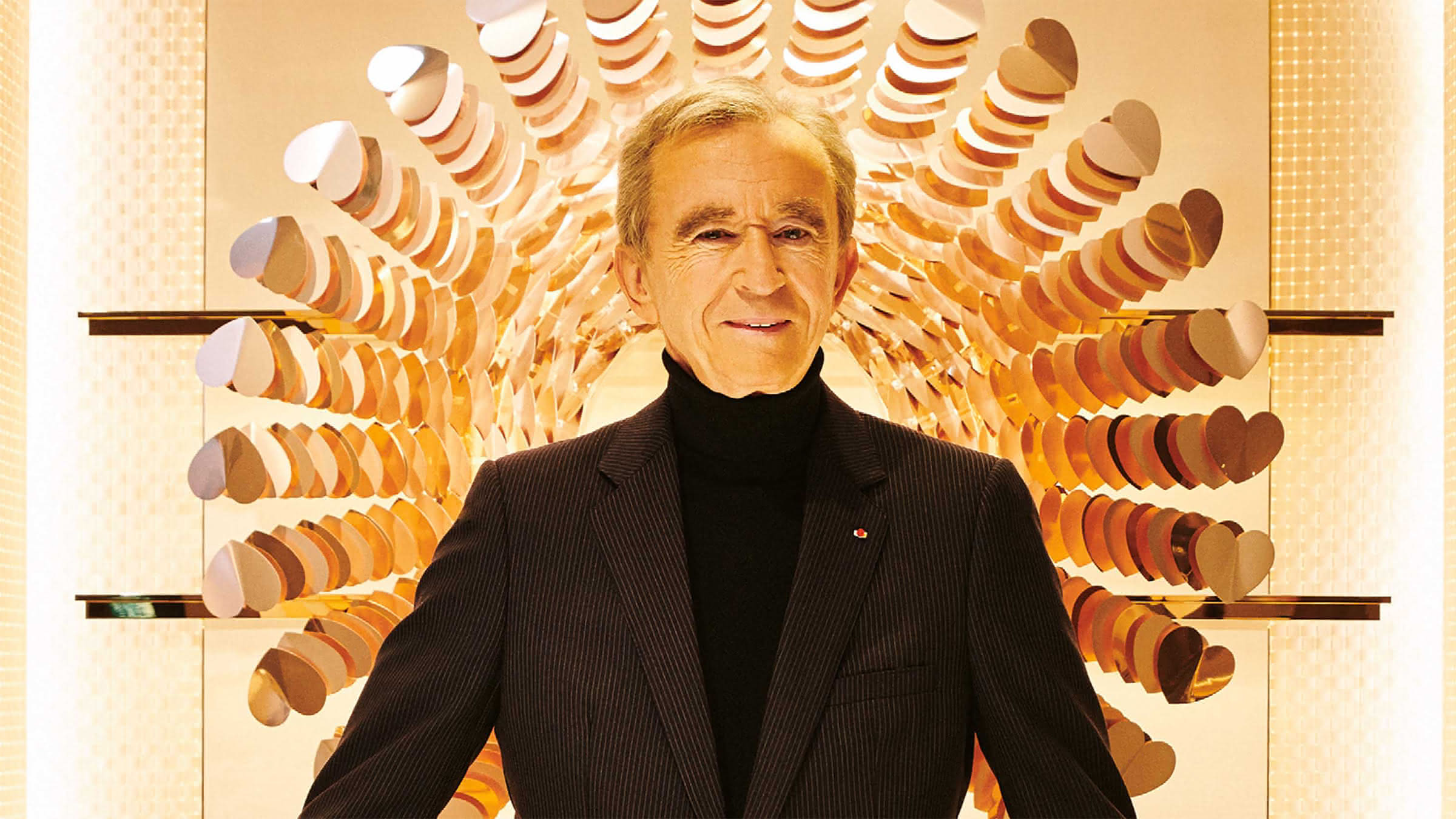
Bernard Arnault, the second richest person in the world, has led the LVMH Group since 1989 and is its controlling shareholder.
Most people could name a handful of LVMH brands: Louis Vuitton, Christian Dior, Moët & Chandon. Some might add Hennessy or Tiffany & Co. But ask them to continue and they run out of names well before the full count of 75.
This guide maps the complete LVMH portfolio — all six divisions, all the key Maisons, with revenue context and the acquisition logic that built them into the most diversified luxury conglomerate in history.
- Founded in: 1987
- **Company Type: **Public
- Headquarters: Paris, France
- Group CEO: Bernard Arnault
- Employees: 196,000+
- Website: lvmh.com
Headquartered in Paris, France, LVMH Moët Hennessy Louis Vuitton SE, commonly known as LVMH (LVMUY) is the world’s leading luxury goods conglomerate—by a lot. Below, is the list of all the brands owned by the LVMH Group, divided into the company’s six business units and organized in alphabetical order:
- Wines and Spirits
- Fashion and Leather Goods
- Perfumes and Cosmetics
- Watches and Jewelry
- Selective Retailing
- Other Activities
If you are interested in the full A to Z list, head straight to the Alphabet of LVMH at the end of this article.
Fashion & Leather Goods — The division behind nearly half of LVMH’s revenue
Fashion & Leather Goods is LVMH’s engine room. According to LVMH’s 2024 annual results, this division alone accounted for approximately 49% of total group revenue — a concentration that reflects the extraordinary commercial dominance of Louis Vuitton and Christian Dior. But the division extends well beyond the two flagships.
Barton Perreira
Founded in 2007 by Bill Barton and Patty Perreira in Southern California, Barton Perreira is a luxury eyewear brand that specializes in handcrafted frames that blend timeless design with contemporary flair. LVMH Group acquired it through its subsidiary Thélios.
- Founded in: 2007
- Country: USA
- Year acquired by LVMH: 2023
- Website: bartonperreira.com
Berluti
Founded by Alessandro Berluti, Berluti is a luxury brand offering men’s footwear, ready-to-wear, and leather goods. It all began with a lace-up oxford made from a single piece of leather, and it is known today for its artisanal craftsmanship.
- Founded in: 1895
- Country: France
- Year acquired by LVMH: 1993
- Website: berluti.com
Celine
Founded in 1945 by designer Céline Vipiana, Celine (formerly spelled Céline) is known for its modern, minimalist ready-to-wear and accessories. The Parisian house was revived through Phoebe Philo’s tenure (2008–2018) and subsequently reshaped by Hedi Slimane (2018–2024), whose rock-inflected aesthetic proved commercially formidable. Michael Rider succeeded Slimane as creative director in late 2024, signalling a new chapter. Celine is among the division’s fastest-growing contributors.
- Founded in: 1945
- Country: France
- Year acquired by LVMH: 1996
- Website: celine.com
Christian Dior
Christian Dior founded his eponymous house at 30 Avenue Montaigne in Paris in 1946. Christian Dior Couture — distinct from the broader Christian Dior SE holding company — sits within LVMH’s Fashion & Leather Goods division. The revolution of the “New Look” silhouette at the end of World War 2 consecrated the high-end French fashion brand, which is now revered for its haute couture, ready-to-wear, fragrances, and accessories. The house has undergone consistent commercial reinvention under Maria Grazia Chiuri, who became the first female Artistic Director in Dior’s history when she was appointed in 2016. The Dior fragrance and beauty business operates separately under Perfumes & Cosmetics.
- Founded in: 1946
- Country: France
- Year acquired by LVMH: 2017
- Website: dior.com
Fendi
The Roman house defined by its double-F Zucca monogram and the iconic Baguette bag was acquired by LVMH in 2001. Originally a fur atelier founded in Rome in 1925 by Adele and Edoardo Fendi, Fendi moved decisively into leather goods and ready-to-wear under Karl Lagerfeld’s creative direction — a partnership that lasted 54 years until Lagerfeld’s death in 2019.
- Founded in: 1925
- Country: Italy
- Year acquired by LVMH: 2001
- Website: fendi.com
Givenchy
Givenchy is a renowned French fashion house founded by Hubert de Givenchy in 1952, synonymous with Audrey Hepburn and a particular strain of Parisian elegance that never fully loses its cultural currency.
- Founded in: 1952
- Country: France
- Year acquired by LVMH: 1988
- Website: givenchy.com
Kenzo
Kenzo is a vibrant fashion brand combining Japanese influences with Parisian flair, offering apparel and fragrances.
- Founded in: 1970
- Country: France
- Year acquired by LVMH: 1993
- Website: kenzo.com
LVMH Métiers d’Art
LVMH Métiers d’Art supports the craftsmanship of artisans by investing in traditional trades and exceptional know-how.
- Founded in: 2015
- Country: France
- Year acquired by LVMH: Original founding by LVMH
- Website: lvmh.com
Loewe
The Spanish leather goods house founded in Madrid in 1846 is one of the oldest Maisons in the LVMH portfolio. Under Jonathan Anderson, appointed creative director in 2013, Loewe has earned widespread recognition for creative output that commands sustained critical and commercial attention.
- Founded in: 1846
- Country: Spain
- Year acquired by LVMH: 1996
- Website: loewe.com
Loro Piana
Italian luxury brand Loro Piana is known for its high-quality cashmere and wool products. It was acquired by LVMH in 2013 for approximately €2 billion. Founded in Quarona, in the Piedmont region, Loro Piana operates largely outside the fashion press cycle. Its clients choose discretion over display — which is, of course, its own form of prestige.
- Founded in: 1924
- Country: Italy
- Year acquired by LVMH: 2013
- Website: loropiana.com
Louis Vuitton
Louis Vuitton is the world’s most valuable luxury brand by most independent brand valuations — including Interbrand’s annual rankings, which have consistently placed it in the global top 15 across all industries. Founded in Paris in 1854 as a trunk and luggage atelier, it was already the crown jewel of the portfolio before Arnault’s arrival. Today the house spans ready-to-wear, footwear, jewellery, watches, and accessories, with flagship stores on every major luxury shopping street from Paris to Tokyo and New York.
- Founded in: 1854
- Country: France
- Year acquired by LVMH: 1987, when the conglomerate was created.
- Website: louisvuitton.com
Marc Jacobs
American fashion brand Marc Jacobs offers ready-to-wear collections, bags, and accessories.
- Founded in: 1984
- Country: USA
- Year acquired by LVMH: 1997
- Website: marcjacobs.com
Moynat
Historic Parisian luxury trunk maker and leather goods brand Moynat is known for its craftsmanship and creativity.
- Founded in: 1849
- Country: France
- Year acquired by LVMH: 2010
- Website: moynat.com
Patou
Patou is a historic French fashion house renowned for its innovative and elegant women’s ready-to-wear collections.
- Founded in: 1914
- Country: France
- Year acquired by LVMH: 2018
- Website: patou.com
Pucci
Italian luxury brand Pucci is celebrated for its vibrant prints and dynamic designs in women’s fashion.
- Founded in: 1947
- Country: Italy
- Year acquired by LVMH: 2000
- Website: pucci.com
Rimowa
Rimowa is known for its premium luggage, featuring distinctive grooved aluminum designs. Founded in Cologne in 1898, the German luggage brand was acquired by LVMH in 2017 for €640 million and subsequently repositioned at the intersection of luxury travel and street culture through collaborations with Porsche, Dior, and Supreme.
- Founded in: 1898
- Country: Germany
- Year acquired by LVMH: 2016
- Website: rimowa.com
Thélios
LVMH’s eyewear expert designs and manufactures luxury eyewear for the Group’s brands.
- Founded in: 2017
- Country: Italy
- Year acquired by LVMH: Original founding by LVMH
- Website: thelios.com
Vuarnet
French eyewear brand Vuarnet is renowned for its high-performance mineral lenses and stylish sunglasses.
- Founded in: 1957
- Country: France
- Year acquired by LVMH: 2023
- Website: vuarnet.com
Perfumes & Cosmetics
Perfumes & Cosmetics includes Parfums Christian Dior (one of the world’s highest-volume prestige fragrance businesses, anchored by Miss Dior and Sauvage), Guerlain (Paris, 1828 — the oldest continuously operating luxury house in the LVMH portfolio), Givenchy Beauty, Benefit Cosmetics (San Francisco), Make Up For Ever, Acqua di Parma, and Maison Francis Kurkdjian — the niche parfumeur acquired in 2017 and widely regarded as one of the most creative fragrance houses working today.
Acqua di Parma
Italian luxury brand Acqua di Parma is renowned for its fragrances, candles, and bath products, epitomizing Italian elegance.
- Founded in: 1916
- Country: Italy
- Year acquired by LVMH: 2001
- Website: acquadiparma.com
Benefit Cosmetics
Benefit Cosmetics is a San Francisco-based brand offering playful and innovative makeup products with a focus on brows and complexion.
- Founded in: 1976
- Country: USA
- Year acquired by LVMH: 1999
- Website: benefitcosmetics.com
Cha Ling
Luxury skincare brand Cha Ling is inspired by Chinese tea culture, integrating traditional ingredients with modern formulations.
- Founded in: 2016
- Country: France
- Year acquired by LVMH: Original founding by LVMH
- Website: cha-ling.com
Fenty Beauty by Rihanna
The inclusive makeup line Fenty Beauty by Rihanna offers a wide range of shades and promotes diversity and self-expression.
- Founded in: 2017
- Country: USA
- Year acquired by LVMH: Original founding by LVMH
- Website: fentybeauty.com
Fresh
Skincare and fragrance brand Fresh combines natural ingredients with modern science for effective beauty solutions.
- Founded in: 1991
- Country: USA
- Year acquired by LVMH: 2000
- Website: fresh.com
Givenchy Parfums
Givenchy Parfums offers sophisticated fragrances, makeup, and skincare products.
- Founded in: 1957
- Country: France
- Year acquired by LVMH: 1987
- Website: givenchybeauty.com
Guerlain
Historic French perfume house Guerlain is known for its luxurious fragrances, skincare, and makeup products.
- Founded in: 1828
- Country: France
- Year acquired by LVMH: 1994
- Website: guerlain.com
KVD Beauty
Vegan and cruelty-free makeup brand KVD Beauty is known for its bold colors and long-lasting products.
- Founded in: 2008
- Country: USA
- Year acquired by LVMH: 2020
- Website: kvdveganbeauty.com
Kenzo Parfums
Fragrance line reflecting the brand’s fusion of Japanese inspiration and Parisian chic.
- Founded in: 1988
- Country: France
- Year acquired by LVMH: 1993
- Website: kenzoparfums.com
Loewe Perfumes
Loewe Perfumes is a Spanish brand offering a range of artisanal fragrances reflecting its heritage and craftsmanship.
- Founded in: 1972
- Country: Spain
- Year acquired by LVMH: 1996
- Website: loewe.com
Maison Francis Kurkdjian
Maison Francis Kurkdjian is a luxury fragrance house creating sophisticated and contemporary perfumes with artistic flair.
- Founded in: 2009
- Country: France
- Year acquired by LVMH: 2017
- Website: maisonfranciskurkdjian.com
Make Up For Ever
Professional makeup brand offering high-performance products for makeup artists and enthusiasts.
- Founded in: 1984
- Country: France
- Year acquired by LVMH: 1999
- Website: makeupforever.com
OLEHENRIKSEN
Skincare brand combining natural botanicals with scientific innovation for radiant skin.
- Founded in: 1983
- Country: USA
- Year acquired by LVMH: 2011
- Website: olehenriksen.com
Burly1803
Apothecaries blending traditional recipes with modern innovation.
- Founded in: 1803
- Country: France
- Year acquired by LVMH: 2021
- Website: buly1803.com
Parfums Christian Dior
Parfums Christian Dior is Dior’s fragrance and beauty division. It creates luxurious perfumes, makeup, and skincare products that embody elegance and innovation.
- Founded in: 1947
- Country: France
- Year acquired by LVMH: 1987
- Website: dior.com
STELLA by Stella McCartney
A responsible luxury skincare line developed in partnership with LVMH, STELLA by Stella McCartney focuses on natural, vegan, and cruelty-free products that harmonize self-care with environmental consciousness.
- Founded in: 2022
- Country: France
- Year acquired by LVMH: Original founding in collaboration with LVMH
- Website: stellamccartneybeauty.com
Jewelry & Watches
LVMH’s Watches &Jewellery division spans from accessible luxury timepieces to jewellery that retails at tens of millions of euros per piece. The division generated approximately €9.1 billion in revenue in 2024, according to LVMH’s annual results.
Bvlgari
Acquired in 2011 for €4.3 billion, Bulgari is the division’s centrepiece. Founded in Rome in 1884 by the Greek silversmith Sotirio Bulgari, the Roman jeweller and watchmaker is now led by CEO Jean-Christophe Babin. Bulgari’s Serpenti, B.zero1, and Octo lines are among the most recognisable luxury jewellery designs globally. The house also operates a small portfolio of ultra-luxury urban hotels in Rome, Paris, Milan, Dubai, and Tokyo.
- Founded in: 1884
- Country: Italy
- Year acquired by LVMH: 2011
- Website: bulgari.com
Chaumet
Chaumet is a Parisian jeweller with origins in 1780, whose historical clientele included Napoleon Bonaparte. The French jewelry house continues to produce some of the most technically demanding high jewellery and tiaras in the industry.
- Founded in: 1780
- Country: France
- Year acquired by LVMH: 1999
- Website: chaumet.com
Fred
Fred is renowned for its elegant jewelry, which is inspired by the French Riviera and blends simplicity with vibrant, playful designs.
- Founded in: 1936
- Country: France
- Year acquired by LVMH: 1995
- Website: fred.com
Hublot
Luxury Swiss watchmaker Hublot is known for fusing unconventional materials (rubber, titanium, carbon fibre, ceramic) with traditional haute horlogerie. Acquired in 2008 for approximately €300 million, Hublot has become one of the division’s growth drivers, particularly in the United States and Southeast Asia.
- Founded in: 1980
- Country: Switzerland
- Year acquired by LVMH: 2008
- Website: hublot.com
Repossi
Italian-French jeweler Repossi is known for its avant-garde, architectural approach to jewelry design.
- Founded in: 1920
- Country: Italy
- Year acquired by LVMH: 2015
- Website: repossi.com
TAG Heuer
Swiss sport and precision watchmaker TAG Heuer is was acquired by LVMH in 1999. TAG Heuer occupies the accessible end of the luxury watch market, with entry-level pieces from around €1,200 — a strategic price point that brings significantly more consumers into contact with the LVMH portfolio than any fashion house can.
- Founded in: 1860
- Country: Switzerland
- Year acquired by LVMH: 1999
- Website: tagheuer.com
Tiffany & Co.
Founded by Charles Lewis Tiffany and John Barnett Young, Tiffany & Co. is an iconic American luxury jeweler renowned for its diamond engagement rings and signature blue boxes. Its 1837 founding pre-dates LVMH’s existence by over 150 years. Under LVMH ownership, Tiffany has undergone deliberate repositioning: raising price points, completing a $250 million renovation of its Fifth Avenue flagship, and attracting new creative directors and brand ambassadors to broaden its appeal among younger luxury consumers.
- Founded in: 1837
- Country: USA
- Year acquired by LVMH: 2021
- Website: tiffany.com
Zenith
The Le Locle-based manufacture Zenith founded in 1865 is one of the few Swiss watchmakers to produce its in-house movements (ébauches) at scale. Zenith’s El Primero calibre, first introduced in 1969, is regarded as one of the finest automatic chronograph movements ever produced.
- Founded in: 1865
- Country: Switzerland
- Year acquired by LVMH: 1999
- Website: zenith-watches.com
Wines & Spirits
LVMH’s presence in Wines & Spirits predates its identity as a fashion conglomerate. The division traces its roots to 1971, when Moët Hennessy was formed from the merger of Moët & Chandon and Hennessy. It was the original business that attracted Arnault’s attention before fashion became the group’s centre of gravity. LVMH’s Wines & Spirits division is among the most authoritative collections in the global fine wine and spirits industry.
The division has faced headwinds in recent years as younger consumers in the United States and China reduce alcohol consumption — a structural shift that has affected the Cognac category in particular. LVMH’s response has been to lean into the ultra-premium tier, where volume sensitivity is lower.
Ao Yun
Premium wine produced in the Himalayan foothills, known for its rich flavor profile and unique terroir.
- Founded in: 2013
- Country: China
- Year acquired by LVMH: Original founding by LVMH
- Website: aoyunwine.com
Ardbeg
Iconic Islay distillery producing peated single malt Scotch whisky with a bold, smoky flavor.
- Founded in: 1815
- Country: Scotland
- Year acquired by LVMH: 2004
- Website: ardbeg.com
Belvedere
Premium vodka brand made in Poland, recognized for its smooth taste and quality.
- Founded in: 1993
- Country: Poland
- Year acquired by LVMH: 2005
- Website: belvederevodka.com
Numanthia
Spanish winery producing intense, structured wines from old-vine Tempranillo grapes in Toro.
- Founded in: 1998
- Country: Spain
- Year acquired by LVMH: 2008
- Website: numanthia.com
Chandon
International sparkling wine producer with vineyards in multiple countries, offering premium quality.
- Founded in: 1959
- Country: France (with locations worldwide)
- Year acquired by LVMH: Original founding by LVMH
- Website: chandon.com
Cheval des Andes
A collaboration between Château Cheval Blanc and Terrazas de los Andes, producing world-class Argentine wines.
- Founded in: 1999
- Country: Argentina
- Year acquired by LVMH: Original founding by LVMH
- Website: chevaldesandes.com
Château Cheval Blanc
One of Bordeaux’s most prestigious wineries, known for its exceptional red wines.
- Founded in: 1832
- Country: France
- Year acquired by LVMH: 1998
- Website: chateau-cheval-blanc.com
Château Galoupet
Producer of high-quality Provençal rosé wines with a commitment to sustainability, Château d’Yquem is the only Sauternes estate awarded Premier Cru Supérieur in the 1855 Bordeaux Classification.
- Founded in: 18th century
- Country: France
- Year acquired by LVMH: 2019
- Website: chateaugaloupet.com
Château d’Yquem
Legendary producer of Sauternes wine, known for its exceptional sweetness and quality.
- Founded in: 1593
- Country: France
- Year acquired by LVMH: 1999
- Website: chateaudyquem.com
Cloudy Bay
New Zealand winery famous for its Sauvignon Blanc, representing the best of Marlborough wines.
- Founded in: 1985
- Country: New Zealand
- Year acquired by LVMH: 2003
- Website: cloudybay.com
Colgin Cellars
Boutique Napa Valley winery producing premium wines with a focus on quality and craftsmanship.
- Founded in: 1992
- Country: USA
- Year acquired by LVMH: 2017
- Website: colgincellars.com
Dom Pérignon
Dom Pérignon is the epitome of vintage champagnes. Its is operated as a standalone prestige-cuvée Maison within LVMH.
- Founded in: 1921
- Country: France
- Year acquired by LVMH: 1987
- Website: domperignon.com
Domaine des Lambrays
Historic Burgundy estate producing exceptional Pinot Noir wines.
- Founded in: 1365
- Country: France
- Year acquired by LVMH: 2014
- Website: domainedeslambrays.com
Eminente
Cuban rum brand that offers a refined and modern take on traditional Cuban rum.
- Founded in: 2013
- Country: Cuba
- Year acquired by LVMH: Original founding by LVMH
- Website: eminente.com
Glenmorangie
Highland distillery Glenmorangie produces Scotch whisky known for its smooth and complex flavors.
- Founded in: 1843
- Country: Scotland
- Year acquired by LVMH: 2004
- Website: glenmorangie.com
Hennessy
World-leading producer of cognac, Hennessy accounts for approximately 40% of global Cognac sales (LVMH holds a 66% stake, with Diageo holding the remaining 34%).
- Founded in: 1765
- Country: France
- Year acquired by LVMH: 1987
- Website: hennessy.com
Joseph Phelps
California winery known for its premium Napa Valley wines, including the iconic Insignia blend.
- Founded in: 1973
- Country: USA
- Year acquired by LVMH: 2022
- Website: josephphelps.com
Krug
Krug is an exclusive champagne house operating at the ultra-prestige tier with bottles retailing from €200 to several thousand euros.
- Founded in: 1843
- Country: France
- Year acquired by LVMH: 1999
- Website: krug.com
Mercier
Champagne brand known for its approachable style and rich heritage.
- Founded in: 1858
- Country: France
- Year acquired by LVMH: 1987
- Website: mercier.fr
Moët & Chandon
Moët & Chandon is the world’s best-selling Champagne house, founded in Épernay in 1743, producing roughly 30 million bottles annually.
- Founded in: 1743
- Country: France
- Year acquired by LVMH: 1987
- Website: moet.com
Newton Vineyard
Napa Valley winery focused on producing terroir-driven wines, particularly known for its unfiltered Chardonnay.
- Founded in: 1977
- Country: USA
- Year acquired by LVMH: 2001
- Website: newtonvineyard.com
Ruinart
The oldest established champagne house, Ruinart offers elegant sparkling wines since the 18th century.
- Founded in: 1729
- Country: France
- Year acquired by LVMH: 1963
- Website: ruinart.com
Terrazas de los Andes
An Argentinian winery producing high-altitude wines from Mendoza, focusing on Malbec and Cabernet Sauvignon.
- Founded in: 1999
- Country: Argentina
- Year acquired by LVMH: Original founding by LVMH
- Website: terrazasdelosandes.com
Veuve Clicquot
The prestigious champagne brand Veuve Clicquot is known for its distinctive yellow label and its role in pioneering the riddling technique.
- Founded in: 1772
- Country: France
- Year acquired by LVMH: Purchased in 1986 by Louis Vuitton prior to LVMH group formed in 1987
- Website: veuveclicquot.com
Volcan de mi Tierra
Premium tequila brand that captures the vibrant essence of Mexican culture and craftsmanship.
- Founded in: 2017
- Country: Mexico
- Year acquired by LVMH: Original founding by LVMH
- Website: volcantequila.com
Woodinville
Craft distillery based in Washington, producing high-quality bourbon and rye whiskey.
- Founded in: 2010
- Country: USA
- Year acquired by LVMH: 2017
- Website: woodinvillewhiskeyco.com
Selective Retailing
Selective Retailing is anchored by Sephora — the beauty retail chain operating approximately 3,000 stores across 35 countries. The division also includes DFS (duty-free luxury retail at airports and urban travel destinations) and Le Bon Marché — the historic Left Bank department store that Arnault has developed into one of Paris’s most distinctive retail environments.
24S
24S is a Parisian luxury fashion e-commerce platform offering a curated selection of over 350 fashion and beauty brands.
- Founded in: 2017
- Country: France
- Year acquired by LVMH: Original founding by LVMH
- Website: 24s.com
DFS
Leading luxury travel retailer operating duty-free shops in major airports and T Galleria stores in city centers worldwide.
- Founded in: 1960
- Country: Hong Kong SAR
- Year acquired by LVMH: 1997
- Website: dfs.com
La Grande Épicerie de Paris
Renowned Parisian gourmet food store offering a vast selection of fine foods, wines, and culinary products.
- Founded in: 1923
- Country: France
- Year acquired by LVMH: 1984
- Website: lagrandeepicerie.com
Le Bon Marché Rive Gauche
The historic Parisian department store is known for its curated selection of luxury goods, fashion, and art exhibitions.
- Founded in: 1852
- Country: France
- Year acquired by LVMH: 1984
- Website: lebonmarche.com
Sephora
Founded in France in 1969 and acquired by LVMH in 1997, Sephora is arguably one of the most commercially important acquisitions in the group’s history. Its open-sell format, curated brand mix, and digital integration have made it the reference model for prestige beauty retail globally.
- Founded in: 1969
- Country: France
- Year acquired by LVMH: 1997
- Website: sephora.com
Other Activities
Other Activities is the division that most confounds outside observers — and the one that reveals most about where Arnault’s long-term thinking is pointed.
It includes two of France’s most widely read media titles, giving the group editorial reach that no other luxury conglomerate possesses.
Belmond
Luxury hospitality company offering a collection of iconic hotels, trains, and river cruises around the world.
- Founded in: 1976
- Country: UK
- Year acquired by LVMH: 2019
- Website: belmond.com
Cheval Blanc
One of the most luxurious hotel brands in the world, Cheval Blanc offers an ultra-luxury collection of exclusive resorts and hotels with properties in Courchevel, St Barths, the Maldives, and the Paris flagship inside the La Samaritaine building on the Right Bank — one of the most expensive single hotel construction projects in French history.
- Founded in: 2006
- Country: France
- Year acquired by LVMH: Founded by LVMH
- Website: chevalblanc.com
Connaissance des Arts
French art magazine providing insights into art, architecture, and cultural heritage.
- Founded in: 1952
- Country: France
- Year acquired by LVMH: 1990
- Website: connaissancedesarts.com
Cova
Historic Milanese patisserie known for its elegant atmosphere and high-quality pastries and confectionery.
- Founded in: 1817
- Country: Italy
- Year acquired by LVMH: 2013
- Website: pasticceriacova.com
Investir
French financial weekly newspaper providing insights into the stock market, finance, and investments.
- Founded in: 1974
- Country: France
- Year acquired by LVMH: 1993
- Website: investir.lesechos.fr
Jardin d’Acclimatation
This amusement park in Paris offers a variety of attractions, gardens, and cultural activities for families.
- Founded in: 1860
- Country: France
- Year acquired by LVMH: 1984
- Website: jardindacclimatation.fr
Le Parisien
French daily newspaper covering national and international news, sports, and entertainment.
- Founded in: 1944
- Country: France
- Year acquired by LVMH: 2015
- Website: leparisien.fr
Les Echos
Leading French financial newspaper providing news and analysis on business, finance, and the economy.
- Founded in: 1908
- Country: France
- Year acquired by LVMH: 1988
- Website: lesechos.fr
Paris Match
French weekly magazine featuring news, celebrity interviews, and photojournalism.
- Founded in: 1949
- Country: France
- Year acquired by LVMH: 2024
- Website: parismatch.com
Radio Classique
French radio station broadcasting classical music, news, and cultural programs.
- Founded in: 1983
- Country: France
- Year acquired by LVMH: 2008
- Website: radioclassique.fr
Royal Van Lent
Dutch shipyard specializing in the construction of custom luxury yachts, known for its craftsmanship and innovation.
- Founded in: 1849
- Country: Netherlands
- Year acquired by LVMH: 2008
- Website: feadship.nl
What is LVMH, and who actually controls it?
LVMH — Moët Hennessy Louis Vuitton — is the product of a 1987 merger between the Champagne and Cognac house Moët Hennessy and the Parisian fashion powerhouse Louis Vuitton. Bernard Arnault entered the picture in 1989, acquiring a controlling stake and launching one of the most aggressive acquisition campaigns in corporate history.
Today, Arnault — through Groupe Familial Arnault — controls approximately 48% of LVMH’s share capital and around 64% of its voting rights, according to LVMH’s filings. The Arnault family’s grip on the group extends beyond equity: several of Bernard’s children hold senior positions across the Maisons. Antoine Arnault leads Berluti and serves on the LVMH board. Delphine Arnault chairs Christian Dior Couture. Alexandre Arnault, Frédéric Arnault, and Jean Arnault each hold operational roles.
The group is headquartered at 22 Avenue Montaigne in Paris— the geographic centre of French fashion — and listed on Euronext Paris under the ticker MC.PA. LVMH stock is one of Europe’s highest market-cap equities.
From that single address, Arnault oversees a portfolio spanning handcrafted luggage, Champagne vineyards in Épernay, superyacht construction, and one of the world’s largest beauty retail chains. The breadth is deliberate. It is the defining structural choice that separates LVMH from every other luxury group on the planet.
How did Bernard Arnault build this empire?
The Arnault acquisition playbook is analytical, patient, and opportunistic in equal measure — and it has been consistent across four decades.
It begins in 1984. Arnault’s family company acquired Boussac Saint-Frères — a troubled French textile and retail conglomerate that happened to own Christian Dior and Le Bon Marché. He paid a minimal sum for the operating businesses after absorbing the surrounding debt. Arnault retained Dior and Le Bon Marché; the rest was divested. It was a surgical entry into luxury, funded by distress.
In 1989, he orchestrated a hostile takeover of LVMH itself — using a complex share structure and a French court ruling to outmanoeuvre co-founders Henry Racamier and Alain Chevalier. It remains one of the most studied corporate manoeuvres in European business history.
The decades that followed were defined by a clear acquisition logic: acquire Maisons with genuine heritage and proven pricing power, grant them operational autonomy, and invest long-term rather than extract short-term margins. The acquisitions of Fendi (2001), Bulgari (2011), Loro Piana (2013), and RIMOWA (2017) each followed this pattern. Each house was either distressed, undervalued, or underexposed relative to its brand equity at the time of acquisition. Arnault’s discipline was knowing which houses had the bones to justify patient capital — and which did not. According to a 2023 analysis by Bain & Company, LVMH’s model of “federated autonomy” — central ownership with decentralised creative control — is the primary structural reason its Maisons have avoided the creative homogenisation that afflicts conglomerates run by committee.
The Tiffany acquisition in 2021 was the most expensive single move. But it followed the same logic: a house with exceptional heritage, global recognition, and an American consumer base that LVMH’s historically European-centric portfolio had never fully reached.
Who owns Louis Vuitton, Dior, and Tiffany &Co.?
All three are owned by LVMH — and ultimately controlled by Bernard Arnault and the Arnault family.
Louis Vuitton is a wholly owned subsidiary of LVMH Moët Hennessy Louis Vuitton SE, the publicly traded group entity. Christian Dior Couture is also wholly owned within the Fashion & Leather Goods division. Tiffany & Co., the New York jeweller founded in 1837, was acquired by LVMH in January 2021 in a deal valued at $15.8 billion — the largest acquisition in the history of the luxury industry at the time of completion.
The Tiffany acquisition was notable not only for its scale but for its strategic intent: a clear expansion into the American market and into the American consumer’s relationship with jewellery as a category. The deal was not without turbulence — LVMH briefly attempted to withdraw at the onset of the pandemic, citing force majeure, before eventually completing the acquisition at a marginally reduced price of $131.50 per share.
Ownership of Christian Dior carries a structural nuance worth understanding. The listed entity Christian Dior SE holds approximately 41.5% of LVMH’s share capital. Arnault controls Christian Dior SE through Groupe Familial Arnault. This layered structure significantly concentrates the Arnault family’s voting rights within LVMH — an arrangement that has been deliberately maintained across decades of corporate evolution.
What does the LVMH revenue breakdown reveal about luxury?
The numbers do more than describe a business — they reveal where luxury value is actually generated, and which bets are paying off.
| Division | Approx. Revenue Share (2024) | Key Maisons | | --- | --- | --- | | Fashion & Leather Goods | ~49% | Louis Vuitton, Christian Dior, Fendi, Celine, Loewe | | Selective Retailing | ~21% | Sephora, DFS, Le Bon Marché | | Watches & Jewellery | ~11% | Bulgari, Tiffany & Co., TAG Heuer, Hublot | | Perfumes & Cosmetics | ~10% | Parfums Christian Dior, Guerlain, Benefit | | Wines & Spirits | ~9% | Hennessy, Moët & Chandon, Dom Pérignon | | Other Activities | ~3% | Cheval Blanc, Belmond, Les Echos |
Fashion and leather goods are the business. But selective retailing — driven by Sephora’s global expansion — is the growth machine. Sephora has demonstrated that accessible luxury retail can scale at volume without diluting the group’s prestige positioning elsewhere. It is the one LVMH division that the fashion world consistently underestimates.
Wines and Spirits, historically the group’s second-largest division, has been under meaningful pressure from shifting consumer preferences — particularly among younger consumers in the United States and China who are reducing alcohol consumption. LVMH’s continued investment in the ultra-premium tier, where volume sensitivity is structurally lower, will determine whether the division regains its earlier trajectory.
For luxury professionals, the broader implication is structural: the conglomerate model works because it diversifies exposure across the full consumer journey — from entry-level Sephora shoppers to ultra-high-net-worth Cheval Blanc guests. No single Maison needs to be everything. Each occupies a defined position in the luxury ecosystem, and the portfolio’s diversity is its most enduring competitive advantage.
The leaders behind the Maisons
The LVMH portfolio is a map of the luxury industry. But its real substance lies in the people who run it.
Creative directors, CEOs, and senior executives across all 75 Maisons shape the direction of luxury far more than the corporate structure above them suggests. The faces you see in the press — Nicolas Ghesquière at Louis Vuitton, Jonathan Anderson at Dior— represent a fraction of the luxury leaders operating within the LVMH group.
The alphabet of LVMH
From Acqua di Parma’s artisanal fragrances to Zenith’s precision timepieces, LVMH spans fashion, beauty, jewelry, wines, spirits, and more.
Each letter tells a story of craftsmanship and innovation: Bulgari dazzles with its jewelry, Dior revolutionizes haute couture, Hennessy defines excellence in cognac, and Louis Vuitton remains a symbol of timeless luxury.
Below is the ultimate list of LVMH-owned brands—meticulously organized in alphabetical order.
A
- Acqua di Parma
- Ao Yun
- Ardbeg
B
- Barton Perreira
- Belmond
- Belvedere
- Benefit Cosmetics
- Berluti
- Burly1803
- Bvlgari
C
- Celine
- Cha Ling
- Chandon
- Château Cheval Blanc
- Château d’Yquem
- Château Galoupet
- Chaumet
- Cheval Blanc
- Cheval des Andes
- Christian Dior
- Cloudy Bay
- Colgin Cellars
- Connaissance des Arts
- Cova
D
- DFS
- Dom Pérignon
- Domaine des Lambrays
E
- Eminente
F
- Fendi
- Fenty Beauty by Rihanna
- Fresh
- Fred
G
- Glenmorangie
- Givenchy
- Givenchy Parfums
- Guerlain
H
- Hennessy
- Hublot
I
- Investir
J
- Jardin d’Acclimatation
- Joseph Phelps
K
- Kenzo
- Kenzo Parfums
- Krug
- KVD Beauty
L
- La Grande Épicerie de Paris
- Le Bon Marché Rive Gauche
- Le Parisien
- Les Echos
- Loewe
- Loewe Perfumes
- Loro Piana
- Louis Vuitton
- LVMH Métiers d’Art
M
- Maison Francis Kurkdjian
- Make Up For Ever
- Marc Jacobs
- Mercier
- Moët & Chandon
- Moynat
N
- Newton Vineyard
- Numanthia
O
- OLEHENRIKSEN
P
- Paris Match
- Parfums Christian Dior
- Patou
- Pucci
R
- Radio Classique
- Repossi
- Rimowa
- Royal Van Lent
- Ruinart
S
- 24S
- Sephora
- STELLA by Stella McCartney
T
- TAG Heuer
- Terrazas de los Andes
- Thélios
- Tiffany & Co.
V
- Veuve Clicquot
- Volcan de mi Tierra
- Vuarnet
W
- Woodinville
Z
- Zenith
Did you know?
- Bernard Arnault’s empire began in 1984 when he used $15 million from his family’s construction fortune to acquire Dior.
- LVMH’s $15.8 billion buyout of Tiffany & Co. in 2021 set a record in luxury acquisitions.
- The Arnault family maintains a significant stake in LVMH’s share capital and holds the majority of its voting rights.
- All five of Bernard Arnault’s children hold top management roles at LVMH.